
Preserve source records
Track receipts, direct costs, payment delays and evidence separately for every stream.
Keep a separate ledger for each income source before combining cash totals. Record when income is earned, invoiced and received, subtract source-specific costs, reserve for tax where appropriate and measure whether several sources still depend on the same customer or platform.
Build the source ledger with the multiple-income tracking guide, preserve independent-work evidence with freelance recordkeeping, and set a capacity-based floor with the freelance rate method. Test that floor in the freelance hourly-rate calculator. Use the income-tax pathway when the combined sources change the annual tax picture.
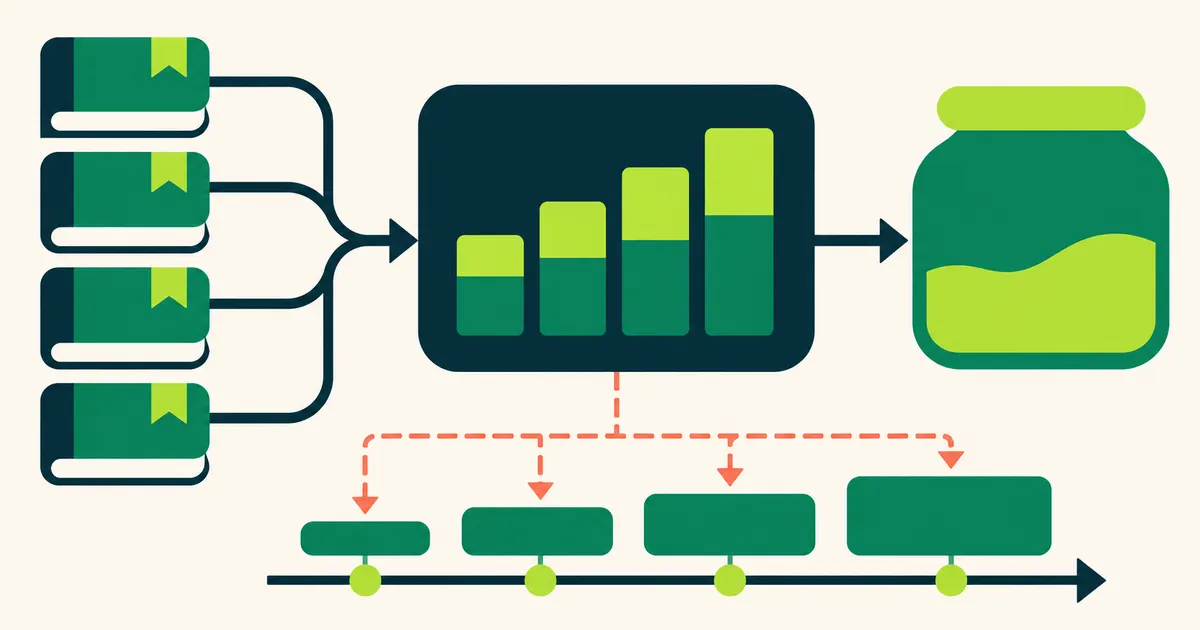
Track salary, freelance, rental and business income with source-level records, cash timing, direct costs and a separate tax reserve.
Track receipts, direct costs, payment delays and evidence separately for every stream.
Compare usable cash and time required instead of ranking sources by gross receipts alone.
Review the largest income share and shared dependencies before calling the mix diversified.
If a payroll or tax term is unfamiliar, check the salary and income glossary before applying it to a calculation.
Each stream has different costs, timing, evidence and tax questions. Record earned, invoiced and received income separately, calculate net contribution, then combine the cash view for household planning.
Income share, net margin, payment delay, billable hours and shared dependencies reveal whether several sources genuinely reduce risk. Four small streams tied to one platform are not four independent safety nets.
Tax reserves, operating cash and personal emergency savings should not be the same dollar in three spreadsheet rows. Assign each balance one purpose and release it only through a documented review.
No. Several labels can still depend on one customer, platform, industry or working capacity.
No. Direct source costs, unpaid obligations and a tax reserve may need to be protected before cash becomes available for personal spending.
Yes. Separate source records preserve invoices, costs, timing and evidence even when totals are combined for planning.
Track each income source separately before combining totals. Source-level records preserve tax treatment, expenses, payment timing and risk information that a single monthly total hides.
Reviewed 2 November 2026A complete freelance record connects the work performed, invoice issued, payment received and cost incurred. Bank credits alone cannot explain the taxable result.
Reviewed 2 November 2026A sustainable rate divides the revenue required by realistic billable hours, not total working hours. It must fund business costs, unpaid time and the owner's target income.
Reviewed 2 November 2026Reserve tax from net side-income cash using a documented planning rate, then reconcile the reserve to a full-year tax estimate as income and allowable costs become clearer.
Reviewed 2 November 2026Build essential spending around dependable net income. Treat variable pay as uncertain until received, then divide it using a pre-agreed allocation rule.
Reviewed 2 November 2026Combine salary, freelance, rental and business income into one monthly view. Confirm material figures against payroll and official records.